Great concept photography starts with three things: natural light, a clear visual narrative, and a location that reflects the story you’re telling. Whether it’s a custom car build, an art installation, a maker’s workshop, or a personal passion project years in the making, the difference between a snapshot and a cinematic photo story comes down to planning those three elements before the camera ever comes out.
Here’s how that process actually works.
Why Concept Photography Is Different From Product Photos
Traditional product photography isolates an object: clean background, even lighting, nothing to distract from the item itself. Concept and lifestyle photography does the opposite: it puts the subject in context, using light, environment, and composition to tell a story about what it is, who made it, and why it matters.
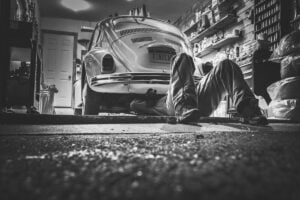
A custom-built motorcycle photographed in a clean white studio is a product shot. That same motorcycle photographed at golden hour in the garage where it was built, with tools scattered nearby and the builder’s hands still visible on the frame, is a story. Both have their place; but if you’ve spent months or years on a passion project, it usually deserves the second treatment.
Step 1: Define the Narrative Before the Shoot
Before any planning around location or light, get clear on what story you’re actually telling:
- Is this about the object itself: its craftsmanship, details, and design?
- Is this about the process: the making, the hands, the workshop?
- Is this about identity: who you are as a creator, and how this project reflects that?
Most concept shoots benefit from picking one primary narrative rather than trying to capture all three equally. It keeps the final story focused instead of scattered.
Step 2: Choose a Location That Reinforces the Story
The location isn’t a backdrop; it’s part of the narrative. A few approaches that consistently work well:
- In the environment where it was made. A workshop, garage, or studio adds authenticity and texture that a neutral space can’t replicate.
- In its intended environment. A custom car photographed on an open road at dusk, or a handmade surfboard photographed at the beach it was built for.
- Somewhere that echoes its aesthetic. An industrial build might pair well with raw, urban architecture; a handcrafted, organic piece might pair better with natural, textured surroundings.
Step 3: Plan Around Light, Not the Clock
Cinematic photography leans heavily on natural, directional light: the kind that creates depth and mood rather than flat, even exposure. That means the shoot schedule should be built around light quality first:
- Golden hour (the hour after sunrise or before sunset) gives warm, low-angle light that adds drama and dimension
- Overcast days provide soft, even light that’s excellent for detail-heavy subjects like intricate builds or artwork
- Harsh midday sun is generally the hardest condition to work with and is usually worth avoiding or shooting in shade during
Step 4: Build in Both Wide and Detail Shots
A strong concept story usually needs a mix of:
- Wide environmental shots that establish the scene and context
- Medium shots showing the subject and its surroundings together
- Macro/detail shots: stitching, welds, brushstrokes, texture that reward a closer look and often carry the most emotional weight
Skipping the detail shots is one of the most common gaps in concept photography; they’re often what makes a viewer feel the craftsmanship, not just see it.
Step 5: Include the Human Element (When It Fits)
A project photographed entirely without its creator can feel impersonal. Even a few frames, hands at work, a candid moment of the creator with their project, a genuine expression while reviewing the piece, add a layer of authenticity that pure object photography can’t achieve on its own.
FAQ
What kind of projects work well for concept photography?
Custom builds (automotive, furniture, motorcycles), art pieces, workshop-based crafts, and personal passion projects all translate well: anything with a visible process or strong personal meaning behind it.
Should the shoot happen at a studio or on location?
On location is usually stronger for concept work, since the environment reinforces the story. Studios work better when the goal is a cleaner, more product-focused result.
How long does a concept shoot take?
Most run 1–3 hours, depending on how many locations, light conditions, and shot types (wide, medium, detail) are planned.
Can this style work for brand or product storytelling?
Yes, many businesses use cinematic, in-context photography for marketing precisely because it feels more authentic than traditional studio product shots.
What’s the difference between lifestyle and traditional product photography?
Product photography isolates the subject for clarity; lifestyle and concept photography places it in context to tell a story about how it’s made, used, or experienced.
Have a project worth documenting? Explore lifestyle and creative sessions, browse the portfolio, or get in touch to talk through your concept.